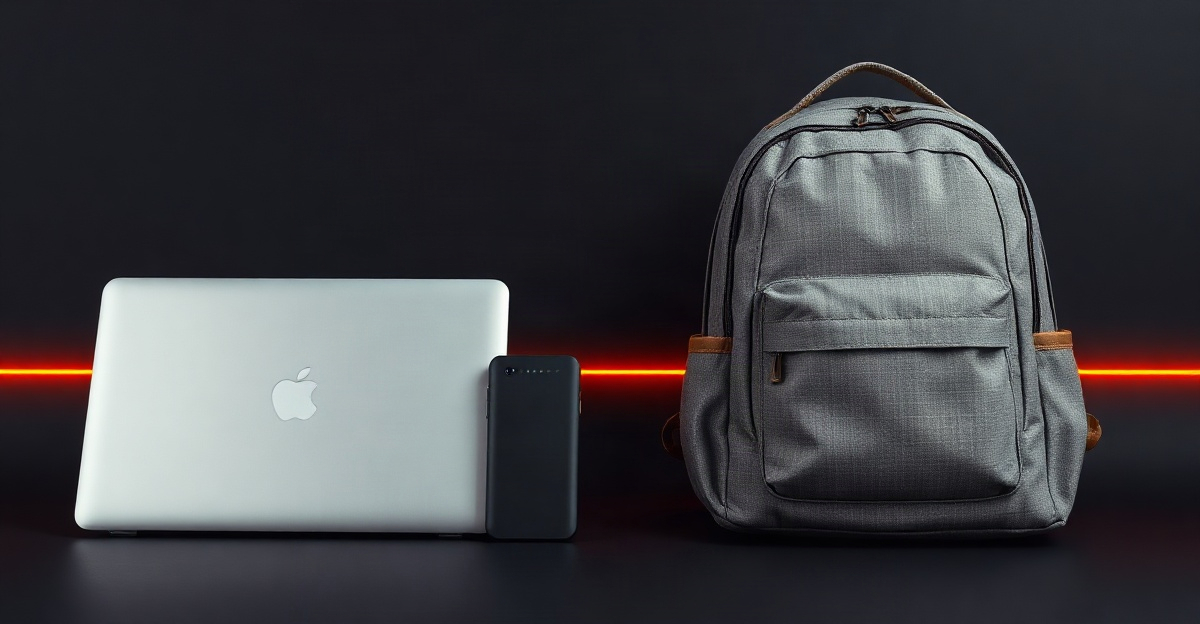
My AI setup needs to survive a walk
My closed MacBook stayed awake for about 35 observed minutes on a ruck. Internet checks failed. The next test is whether delegated work survives those gaps.

The Compounding CEO
The setups, routines and field notes behind my work with AI agents.
My closed MacBook stayed awake for about 35 observed minutes on a ruck. Internet checks failed. The next test is whether delegated work survives those gaps.
Notion was built for people clicking through pages. My second brain is now read mostly by AI agents, so it lives in markdown files in git, and the tables live in small custom apps on ag-Grid.

Two AI code reviewers without fix-and-flag loops: severity ranking, a finder and a verifier, intent notes, routing risky changes to a human, a loop breaker.

I sort every AI agent action into low or high risk. Low risk goes out directly, high risk waits for me. The one test I use, with email and dictation examples.

UI automation for AI agents takes over your mouse and focus. I run it on nine separate hosts. The setup, the health check, what breaks and what it costs.

Split Ghostty panes side by side only, so the last line of every coding agent sits on one row. How the layout works, what it costs and how to try it.

I want my machine to switch from Wi-Fi to a hotspot and back with no clicks. My first physical test left me offline for about nine minutes. Here is the state.

An old laptop can host AI coding agents like Claude Code and Codex. How my 2018 Intel MacBook Pro joined a pool of nine hosts, and what it cannot do.

I run two AI assistants, a head coach and an executive assistant, each with its own sources and memory. Why I keep them apart and how I catch stale context.

Say 'press enter' at the end of a Wispr Flow dictation and it sends the prompt. My setting, 145 dictations, 106 hits, 39 misses and the dictionary fix.

My voice input setup for AI agents: Wispr Flow, a Shokz headset, a maintained dictionary and a voice-share chart, plus four steps to set up your own.
Where virtual executive assistants actually get hired from, what each market is genuinely good at, and the one thing to watch for in each.
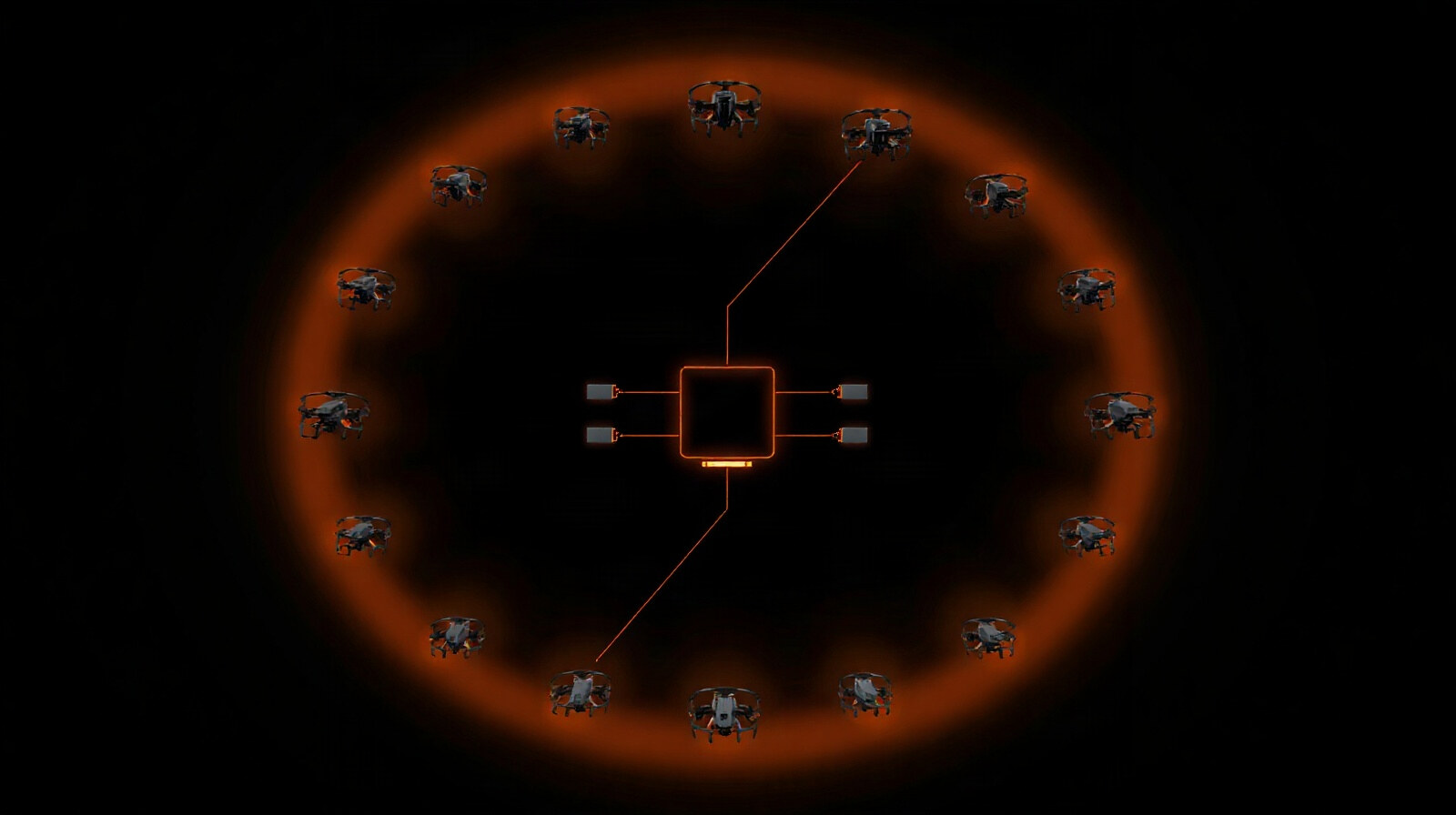
What operations look like when routine work runs on always-on AI agents: what gets delegated, what stays human, where it breaks, and the supervision rhythm that keeps it honest.

An honest inventory of work I handed off this year to people, automation and AI agents: what each handoff cost up front, and which ones came back.

Deload weeks, one hard focus per block, measuring load instead of output. What periodization taught me about running a company, mapped onto an executive calendar.